Jingea: A Simple, Stylish Script Font for Modern Design Needs
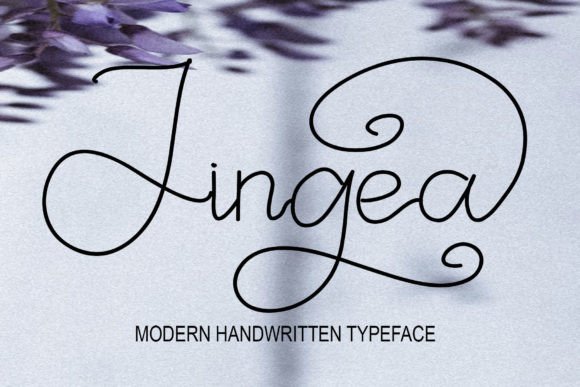
Jingea is a script font that mimics the look of handwriting created using a tablet. Designed with simplicity in mind, it offers a clean and elegant appearance that can be easily integrated into various design projects. Whether you're working on digital content, print materials, or branding elements, Jingea provides a versatile option that maintains readability while adding a personal touch.
Understanding Jingea and Its Unique Features
Jingea stands out due to its natural, handwritten feel. Unlike more elaborate script fonts that can appear cluttered or difficult to read, Jingea maintains a balance between simplicity and style. The font’s design ensures that even though it looks like it was written by hand, it remains legible across different sizes and mediums.
One of the key features of Jingea is its adaptability. It works well in both digital and print formats, making it suitable for a wide range of applications. From website headers to wedding invitations, this font can enhance the visual appeal of any project without overwhelming the viewer.
Why Consider Using Jingea?
If you're looking for a script font that doesn't compromise on readability, Jingea could be an excellent choice. Its simple structure makes it ideal for situations where clarity is essential but a touch of personality is desired. This font is particularly useful for designers who want to add a human element to their work without sacrificing professionalism.
Jingea is also beneficial for those who need a font that can be used across multiple platforms. Since it was created using a tablet, it's optimized for digital use, ensuring consistent performance on websites and mobile interfaces. This makes it a practical option for developers and designers working on responsive layouts.
Benefits of Using Jingea
- Readability: Despite its handwritten appearance, Jingea remains easy to read, which is crucial for effective communication.
- Versatility: It can be used in a variety of contexts, from business cards to advertisements, offering flexibility in design choices.
- Modern Aesthetic: The font has a contemporary feel that aligns with current design trends, making it appealing to a broad audience.
- Professional Appearance: While it has a casual look, Jingea still conveys a sense of professionalism, making it suitable for formal and informal settings alike.
Considerations and Tradeoffs
While Jingea has many advantages, there are also some factors to consider before choosing it for a project. One potential limitation is that it may not be suitable for all types of text. For example, long paragraphs or dense blocks of information might become harder to read if rendered in a script font. In such cases, a sans-serif or serif font might be more appropriate.
Additionally, since Jingea is a script font, it may not be the best choice for highly technical or formal documents where strict typographic rules are required. It's important to evaluate the context in which the font will be used to ensure it meets the intended purpose.
Situations Where Jingea Is a Strong Fit
Jingea excels in scenarios where a personal, handwritten aesthetic is desired. Some common use cases include:
- Wedding Invitations: The font adds a romantic and elegant touch, making it perfect for special occasions.
- Business Cards: It helps create a memorable impression while maintaining a professional look.
- Website Headers and Logos: Its modern and stylish appearance enhances brand identity without being too flashy.
- Product Advertisements: It can draw attention and convey a sense of approachability and creativity.
When to Consider Alternatives
In certain situations, other fonts may be more suitable than Jingea. For instance, if a project requires high levels of readability, especially for body text, a more traditional serif or sans-serif font would be better. Similarly, for formal or academic documents, a more structured font might be necessary.
Designers should also consider the target audience when selecting a font. If the audience prefers a more conservative or professional look, a script font like Jingea might not be the best choice. However, for younger or more creative audiences, it could be an excellent fit.
Practical Insights for Choosing Jingea
When deciding whether to use Jingea, it's important to focus on the goals of the project. Ask yourself: Does this font support the message I want to convey? Will it be readable in the intended context? How does it align with the overall design and brand identity?
Testing the font in different scenarios can help determine its effectiveness. For example, previewing it on a website or printing it on a business card can reveal how it performs in real-world conditions. It's also wise to compare it with other similar fonts to see which one best meets your needs.
Ultimately, Jingea is a great option for those seeking a simple yet stylish script font that can enhance the visual appeal of their designs. By carefully considering its strengths and limitations, designers can make informed decisions that align with their project requirements and audience expectations.